Tips for Organizing a Fashion Wardrobe
In the bustling world of fashion, an organized wardrobe is key to unlocking your style potential and optimizing your daily routine. Whether you own an extensive collection or a minimalistic selection, organizing your wardrobe can ensure each item is easily accessible and properly maintained. This guide provides a comprehensive approach to rearranging your closet efficiently, offering practical tips like editing your collection, utilizing space effectively, and maintaining the condition of your clothes. Explore strategies tailored for specific wardrobe components, from sweaters and jeans to kids’ clothing, and find out how proper storage enhances the longevity of your garments. Dive into these innovative organizational techniques that promise to streamline your dressing process and elevate your fashion game, making every outfit choice as effortless as it is stylish.
1. Edit Your Wardrobe First
Before diving into the organization process, it’s essential to edit your wardrobe. Assess each item for its relevance to your current style and frequency of wear. Remove items that no longer fit, are out of fashion, or don’t enhance your personal style. This not only streamlines your closet but also makes room for essentials over trendy yet unworn items.
Consider donating, selling, or recycling the clothes you remove. This not only declutters your space but also promotes sustainability by giving clothes a second life. An edited wardrobe also simplifies outfit selection, as you’re consistently presented with attires that reflect your current tastes and needs, reducing everyday stress.
2. Organize Garments Like Sweaters and Jeans in Plain Sight
For garments like sweaters and jeans, which can be bulkier, keeping them in plain sight is beneficial. Stack them on open shelves or neatly fold them into drawers where they’re visible at a glance. This approach not only saves time in locating items but also keeps them in good condition without unnecessary folding or hanging.
Clear organizers or cubbies can provide structure and maintain the neatness of your stacks, ensuring each piece is easily retrievable. By using adjustable shelf dividers, you can customize the space according to the volume of each type of garment, making the layout adaptable to seasonal changes in your wardrobe.
3. Divide Hanging Clothing by Category
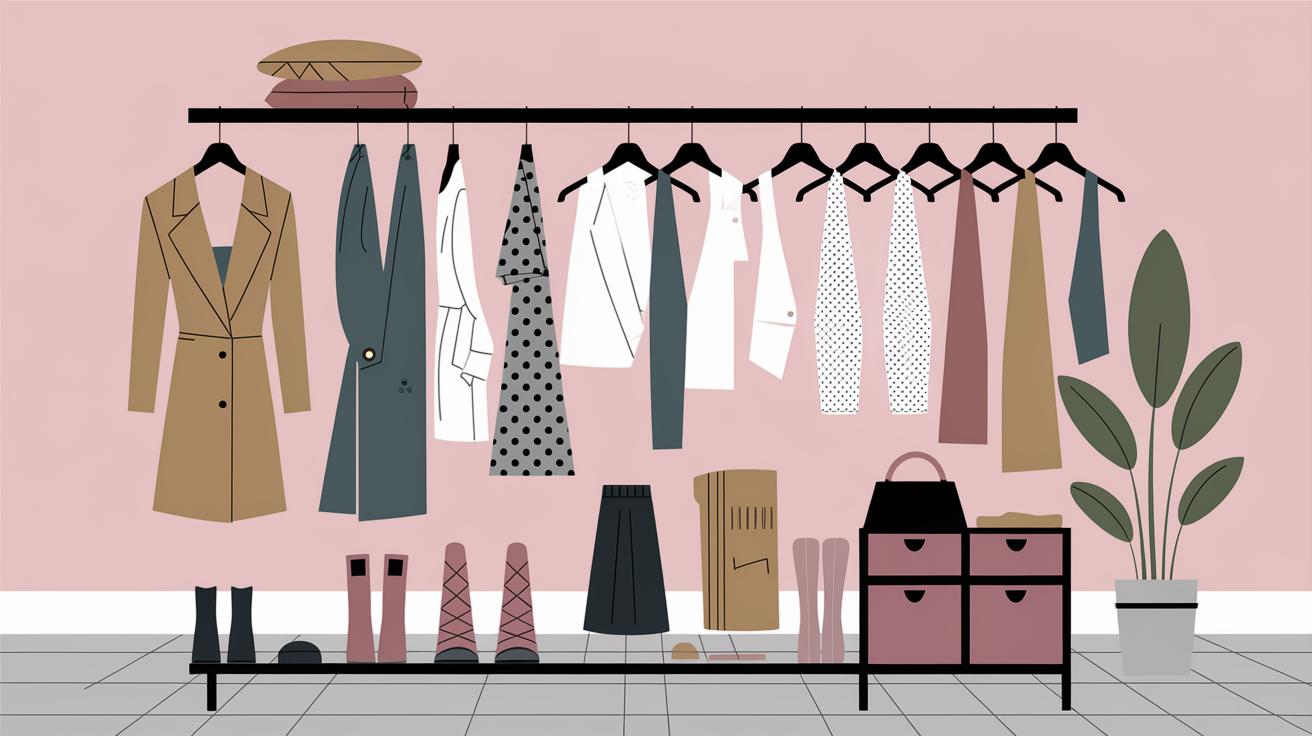
Hanging clothing can quickly become overwhelming if not categorized properly. Group your items by category, such as shirts, dresses, blouses, and jackets. Within each category, organize by color or occasion if space allows. This categorization aids in quickly identifying options while preserving the shape and quality of the clothes.
Using uniform hangers ensures that items hang neatly and at the same level, offering a harmonious and visually pleasing setup. Consider investing in thin, non-slip hangers to maximize space without compromising the fabric, extending the life and appearance of delicate garments.
4. Keep Your Best Attire on Wood Hangers
When it comes to high-quality clothing, the choice of hanger is crucial. Wood hangers provide sturdy support and help maintain the garment’s integrity, especially for heavy pieces like coats and suits. Their wider shoulders prevent stretching and ensure clothing retains its shape over time.
Using wood hangers also adds a touch of elegance and sophistication to your wardrobe. Ensure they’re spaced adequately to prevent squishing, which can cause wrinkling or fabric damage. Regularly inspect and maintain these hangers to avoid any snagging or staining from unseen splinters or rough edges.
5. Install Over the Door Storage
Maximize unused space by installing over-the-door storage options for accessories, shoes, or less frequently used items. These storage solutions can accommodate everything from belts and scarves to jewelry and small handbags, keeping them visible and in good condition.
Over-the-door storage provides convenience, making it easy to grab what you need just before stepping out. Choose transparent or labeled organizers to facilitate quick access and ensure smaller items don’t get lost in the shuffle, maintaining their order and accessibility.
6. Customize Closet Organization
One size doesn’t fit all when it comes to organizing a wardrobe. Customizing your closet organization allows you to tailor space according to your specific needs and garment types. Consider adjustable shelving, installable rods, or modular systems that evolve with your wardrobe changes.
Incorporate pull-out drawers or rotating racks for more dynamic storage options. This customization provides flexibility, ensuring that as your style evolves, so does your storage. Personalizing your space makes your wardrobe functional and encourages a more enjoyable dressing experience.
7. Organize Seasonal Clothing Under the Bed
Space-saving tactics are essential for managing seasonal clothing changes. Under-the-bed storage bins offer a convenient solution for accommodating out-of-season items, protecting them from dust and deterioration while freeing up closet space.
Be sure to use breathable bags for storage and include cedar balls or lavender sachets to deter pests. Accessibility is key, so opt for bins with wheels or handles to facilitate easy rotation come season change time, ensuring your favorites are always within reach.
8. Plan Outfits on the Back of a Door
Streamline your morning routine by planning outfits ahead of time. Utilize the back of a door with hooks or a dedicated outfit planner to arrange your selections for current rotations or upcoming occasions. This proactive approach minimizes indecision and encourages creativity in ensemble combinations.
This method can also include accessories and shoes to complete your look, ensuring nothing’s left forgotten. Outfit planning assists in efficient time management, allowing for extra moments each morning to comfortably prepare for the day ahead.
9. Organize Clothes in a Freestanding Wardrobe
For those without built-in closets, a freestanding wardrobe is a flexible solution. Choose units with a blend of hanging space, shelving, and drawers to adapt to diverse clothing needs. Pay attention to the shape of your room to pick a wardrobe that complements your space without overwhelming it.
Consider wardrobes with glass doors or open fronts to keep things visible, promoting a clean and orderly atmosphere. Freestanding options can be rearranged as needed, providing versatility in both function and design, suiting any decor style from modern minimalist to classic vintage.
10. Organize Clothes Storage for Kids
Children’s wardrobes require special consideration as they often contain a mixture of sizes, items, and accessories. Implement adjustable shelves and rods, allowing the interior to adapt as the child’s clothing needs change. Personalized labels and bins can encourage children’s participation in maintaining order.
Implement low-height hanging rods and baskets within reach, promoting independence as kids select and return garments themselves. This organization is both practical and educational, instilling habits of tidiness and helping them understand personal responsibility toward possessions from an early age.
11. Stash Mending Tools Nearby
To prolong the life of your wardrobe’s items, keep mending tools close at hand. A small sewing kit, fabric glue, and spare buttons should be readily accessible, allowing for prompt repairs of minor damages like tears or missing buttons.
Integrate a designated space for these tools in your wardrobe, ensuring you can tackle garment fixes promptly. Fast action prevents further damage and prolongs the wearability of your clothes, promoting a sustainable approach to fashion by minimizing waste through preservation.
Final Thoughts
Organizing a fashion wardrobe requires thoughtful planning and a bit of creativity. By implementing the strategies outlined above, you’ll manage to turn your closet into a functional and aesthetically pleasing personal boutique. Tailor your organization to your unique clothing needs and style preferences, encouraging a seamless transition from one outfit to another. A well-organized wardrobe not only simplifies your daily routine but also enhances your style expression and wardrobe management, ensuring you’re always ready for any occasion.
| Strategy | Description |
|---|---|
| Edit Your Wardrobe First | Streamline your wardrobe by removing irrelevant items to make room for essentials and simplify choice. |
| Organize Garments Like Sweaters and Jeans in Plain Sight | Use open shelves or clear organizers for visible access and preservation of garments. |
| Divide Hanging Clothing by Category | Group clothes by type and color for efficiency and quick access while maintaining garment integrity. |
| Keep Your Best Attire on Wood Hangers | Utilize wood hangers for support and to preserve garment shape, adding sophistication to the wardrobe. |
| Install Over the Door Storage | Maximize space with over-the-door solutions, perfect for accessories and smaller items. |
| Customize Closet Organization | Adapt closet components with adjustable features for personalized and efficient storage. |
| Organize Seasonal Clothing Under the Bed | Utilize under-bed storage to keep seasonal items protected and accessible. |
| Plan Outfits on the Back of a Door | Pre-select outfits to streamline mornings and encourage fashion creativity. |
| Organize Clothes in a Freestanding Wardrobe | Flexible storage with a blend of hanging, shelving, and drawers suitable for diverse clothing needs. |
| Organize Clothes Storage for Kids | Implement adjustable options and use labels to encourage children to maintain order. |
| Stash Mending Tools Nearby | Keep mending tools accessible for prompt repairs to prolong garment life. |