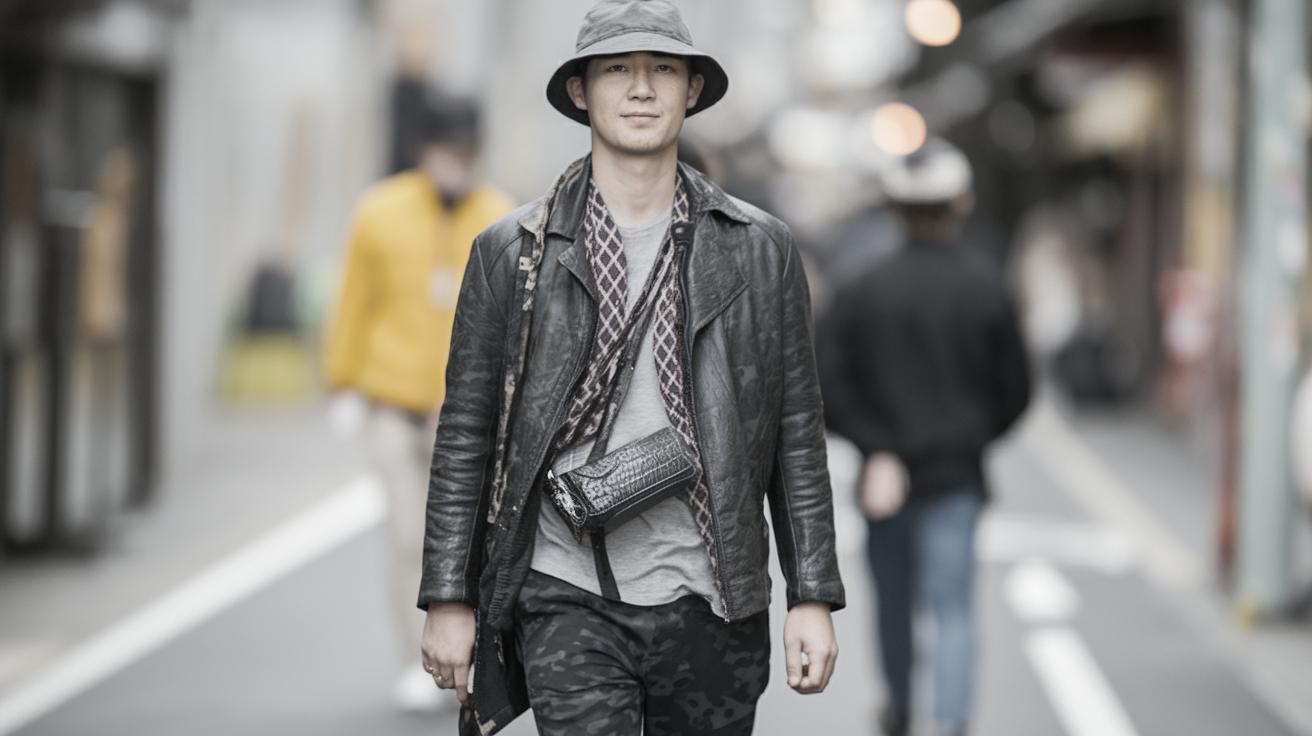
Characteristics of Japanese Street Fashion
In the ever-evolving world of fashion, Japanese street style stands out with its vibrant, eclectic ensembles that range from avant-garde to subtly chic. Each outfit tells a unique story, a reflection of cultural richness and personal expression. This article delves into the nuances of Japanese street fashion through the insights of some distinguished figures shaping the industry. From cross-cultural influences, a penchant for experimentation, and deep-rooted innovation, these voices shed light on what makes Japanese fashion iconic. Explore the thoughts of Hirofumi Kurino, Kaoru Imajo, Momo Angela, Yu Masui, Motofumi ‘Poggy’ Kogi, and Maiko Shibata as they unravel the elements defining this unique style.
Make Better Business Decisions
Street fashion in Japan serves as a vital indicator for business strategy in the global fashion industry. For brands, analyzing these trends translates into informed decisions about product development and marketing strategies. Young consumers in Japan are heralded as early adopters, paving the way for brands to anticipate shifts in fashion paradigms. Staying attuned to these movements allows companies to tailor their offerings and optimize sales.
An understanding of Japanese street fashion also aids in local market penetration for international brands. Collaborations and designs inspired by Japanese culture often resonate globally, enhancing brand appeal and relevance. By embracing the distinctiveness of this style, businesses can capitalize on trends that push boundaries and redefine conventional aesthetics. The synergy of local insights with global strategy creates a unique competitive edge essential in the dynamic fashion landscape.
Hirofumi Kurino, Co-founder and Creative Advisor of United Arrows
Hirofumi Kurino, a pivotal figure in the Japanese fashion industry, attributes the allure of Japanese street fashion to its relentless reinvention and embracing diversity. According to Kurino, the secret lies in the seamless blend of high fashion with streetwear, creating looks that are both accessible and aspirational. This democratization of style has influenced not only local consumers but has also made significant waves on international runways.
Kurino champions the idea that Japanese street fashion thrives on the tension between tradition and modernity. Iconic Japanese elements are frequently reinterpreted in contemporary ensembles, showcasing a culture unafraid to challenge norms. This interplay creates a fertile ground for innovation, making Japanese fashion a trendsetter on the global stage. Kurino’s insights highlight an industry that is both rooted in heritage and futuristic in vision.
Kaoru Imajo, Director of Japan Fashion Week Organisation
Kaoru Imajo offers a unique perspective on Japanese street fashion, emphasizing its role in fostering creativity and inclusivity. With her experience at the helm of one of the most influential fashion platforms, Imajo sees street fashion as a testament to the power of self-expression. It is a realm where individuality transcends conventional boundaries, allowing dynamic and often unexpected fashion narratives to unfold.
Imajo highlights how Japanese street fashion incorporates cultural references and innovative fabrics, setting the stage for a diverse fashion ecosystem. The meticulous attention to detail, from avant-garde silhouettes to delicate embellishments, reflects the craftsmanship synonymous with Japanese artistry. By celebrating differences, Japanese street fashion continuously evolves, inspiring a myriad of fashion choices and setting an inclusive tone in the cultural tapestry of fashion.
Momo Angela, Street Style Photographer at Vogue Runway
For Momo Angela, Japanese street fashion is a canvas where art meets everyday life. Known for capturing striking street style images, Angela sees fashion as an extension of Tokyo’s vibrant urban landscape. The chaotic yet harmonious amalgam of colors, patterns, and textures tells compelling stories of personal identities and creative exploration.
Angela believes that the fearless versatility of Japanese street fashion lies in its spontaneity. Each ensemble, whether meticulously planned or improvised, demonstrates a boundless curiosity and openness to global influences. This bold embrace of diversity allows individuals to express their unique perspectives, making the streets of Japan a microcosm of avant-garde innovation. Her lens captures these fleeting moments where tradition and trend intersect, revealing the multifaceted character of Japanese style.
Yu Masui, Fashion Journalist and Consultant
Yu Masui, with his vast experience as a fashion journalist, provides insights into the intrinsic adaptability of Japanese street fashion. Masui observes how the confluence of multiple subcultures, from Lolita to Visual Kei, creates an intricate tapestry of styles that both reflect and influence global fashion trends. This adaptability is key in maintaining the freshness and relevance of Japanese street fashion in an ever-evolving market.
According to Masui, Japanese street fashion’s charm lies in its narrative depth and subversive undertones. Each look can be seen as a dialogue exploring societal norms, with fashion serving as both a reflection and critique of cultural dynamics. The layers and subtleties of Japanese street fashion offer a wider commentary on individuality and community, making it a rich source of inspiration for fashion aficionados worldwide.
Motofumi ‘Poggy’ Kogi, Menswear Curator
Motofumi ‘Poggy’ Kogi, known for his keen curation skills in menswear, accentuates the eclecticism that defines Japanese street style. Poggy, with his unique sense of style, illustrates how the seamless integration of tradition and innovation crafts the quintessential Japanese aesthetic. His approach to harmonizing classic cuts with contemporary flair exemplifies the daring spirit that permeates Japanese street fashion.
Poggy emphasizes that the essence of Japanese street fashion is its playfulness and authenticity. The fashion world in Japan is not just about following trends but reshaping them. Through experimental layering, unexpected pairings, and a fearless use of color, Japanese street fashion creators unlock new realms of possibility. This approach champions authenticity, allowing fashion to remain personal and personable, resonating deeply with a global audience.
Maiko Shibata, Creative Director and Head Buyer of Restir
As a tastemaker in the fashion industry, Maiko Shibata views Japanese street fashion as a celebration of past, present, and future. Her work involves curating pieces that embody the multifaceted nature of Japanese style, straddling the line between the extravagance of the theatrical and the simplicity of the minimalistic.
Shibata finds that Japanese street fashion strives for harmony in contrasts. This stylistic balance is evident in the coexistence of aesthetics such as sweet pastels and bold monochromes, or soft fabrics juxtaposed with sharp tailoring. Her role in fashion retail demonstrates how street fashion acts as a bridge connecting avant-garde experimentation with consumer accessibility. Thus, Japanese street fashion not only reflects cultural ethos but also anticipates future trends.
Summary of Main Points
| Section | Key Insights |
|---|---|
| Make Better Business Decisions | Importance of street fashion in informing global business strategies and local market penetration. |
| Hirofumi Kurino | Interplay of tradition and modernity; blend of high fashion with streetwear. |
| Kaoru Imajo | Role of creativity and inclusivity; craftsmanship in avant-garde and detailed designs. |
| Momo Angela | Street fashion as an artistic expression; influences of spontaneity and diversity. |
| Yu Masui | Cultural subversion and adaptability; influence on global trends. |
| Motofumi ‘Poggy’ Kogi | Eccentricity and authenticity; innovation through experimentation. |
| Maiko Shibata | Harmony in contrasts; celebration of past, present, and future trends. |