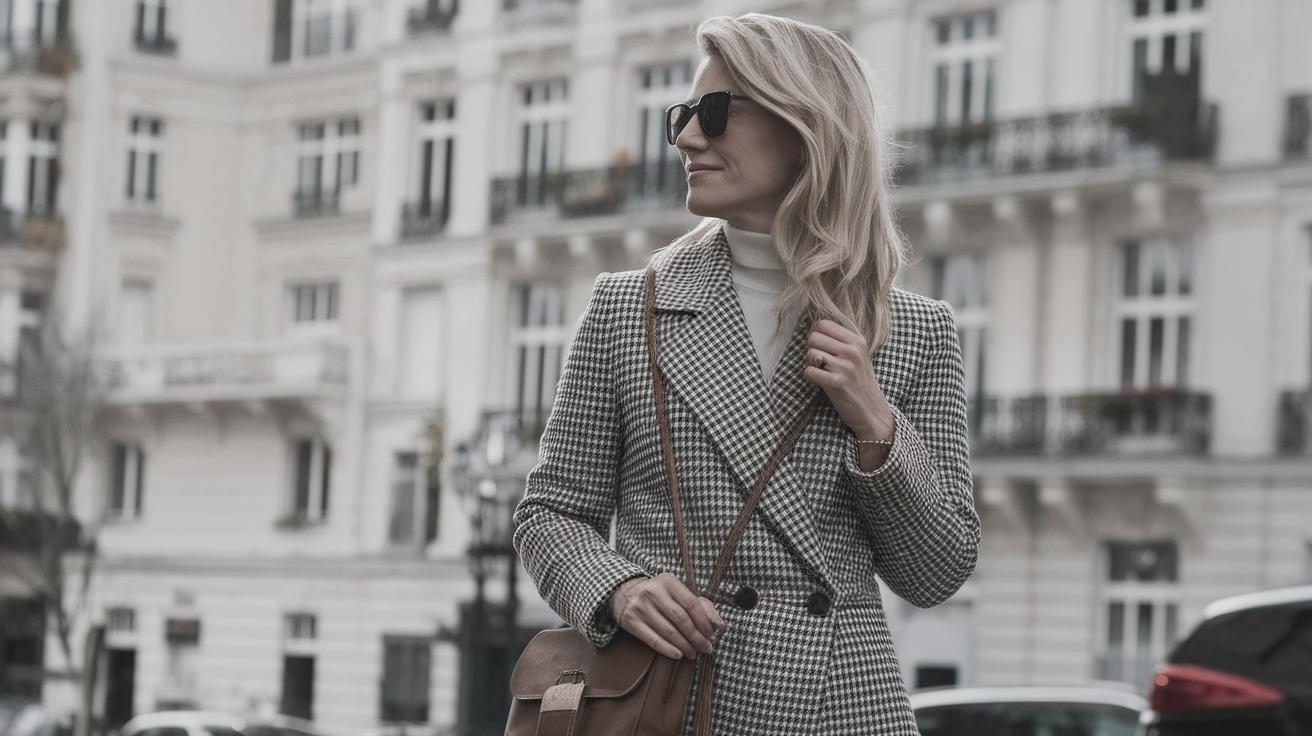
How to Maintain a Trendy Wardrobe on a Budget
Introduction
Creating a trendy wardrobe while sticking to a budget might seem daunting, but it’s entirely possible with a bit of creativity and planning. This guide will help you understand your personal style, build a foundation with essential pieces, master budgeting techniques, and sniff out deals like a pro. From investing in quality over quantity to mastering mix and match techniques, you’re about to unlock the secrets to maintaining a fashionable wardrobe that doesn’t break the bank. Plus, learn how proper care can ensure longevity for your favorite pieces. With the right mindset and strategies, you can enjoy a high-quality wardrobe filled with pieces you love, even on a budget.
Understanding Your Personal Style
A. First things first, let’s figure out your style preferences.
Your personal style is a reflection of who you are, and it’s crucial to understand it before you begin shopping. Start by evaluating the clothes you already own: which pieces do you love, and why? This can give you an idea of what styles you gravitate towards naturally.
Pay attention to the colors, patterns, and silhouettes that make you feel confident and comfortable. Whether you’re into minimal, bohemian, classic, or edgy styles, knowing what you like will make your shopping more focused and satisfying.
B. We’ll help you find some style inspirations and role models.
Books, magazines, fashion blogs, and social media platforms like Instagram and Pinterest are excellent sources of style inspiration. Compile images of outfits and styles that catch your eye and resonate with your personal taste.
Identify role models whose style you admire. Whether they’re fashion influencers, celebrities, or even friends, observing the way they put outfits together can spark new ideas and inspiration for your own wardrobe.
C. Ready to create a mood board for your wardrobe vision? Let’s do it!
Creating a mood board is an effective way to visualize your style and set the direction for your wardrobe. Use a physical board with clippings or a digital tool like Canva to assemble images representing your style vision.
Your mood board should reflect the colors, textures, styles, and key pieces that define your ideal wardrobe. This visualization will guide your shopping choices and ensure that new additions complement your overall aesthetic.
The Essentials: Building Your Foundation
A. Time to curate a list of wardrobe must-haves you’ll love.
Start by identifying essential items that form the backbone of a functional wardrobe. Determine which pieces you reach for constantly. These could include well-fitted jeans, a classic white shirt, or a versatile blazer.
When selecting these essentials, focus on items that match multiple outfits and occasions. This will maximize their utility and ensure your wardrobe remains practical and trendy at the same time.
B. We’ll show you how to choose versatile and timeless pieces that work for you.
Versatility and timeless appeal are keys to a smart wardrobe. Invest in classic silhouettes and neutral colors that can be easily mixed and matched. This approach not only stretches small budgets but also keeps your style timeless.
Identify pieces that transition seamlessly from work to casual settings, or from one season to another. Staple items include a well-tailored coat, sleek ankle boots, and a simple tote bag – all effortlessly chic and functional.
C. Let’s discuss the power of minimalism in budget-friendly fashion.
Minimalism can streamline your wardrobe and make budget management easier. By curating a collection of fewer but better-quality pieces, you reduce clutter and enhance the value of each item you own.
Focus on classic, quality pieces that outlast fast fashion trends. This not only helps you save money in the long run but also reduces decision fatigue, making daily outfit planning a breeze.
The Art of Budgeting for Your Wardrobe
A. Setting realistic financial goals for your wardrobe is essential, and we’ll help you with that.
Establishing a budget before shopping is crucial to avoid overspending. Start by analyzing your overall finances and setting a monthly or quarterly budget specifically for clothing and accessories.
A realistic wardrobe budget should align with your income and other financial obligations. By setting clear goals, you’ll be motivated to manage your spending and avoid impulsive purchases.
B. We’ve got tips for allocating funds across different wardrobe categories.
Divide your wardrobe budget into categories like basics, accessories, and high-end investment pieces. Allocate more funds to versatile items you’ll wear frequently, and less to trend-forward pieces that may have a shorter lifespan.
Consider creating a budget worksheet or using a financial app to track how much you’re spending in each category. This will help you make informed decisions and prevent overspending on any one type of item.
C. Keep track of your wardrobe expenses and learn how to adjust as needed.
Consistency in tracking expenses ensures you stay within budget and identifies areas where you might be overspending. Use technology to assist you, like expense-tracking apps, to keep your wardrobe finances organized.
Flexibility is also important. If you realize one category needs more attention, adjust your allocations accordingly while ensuring that your overall budget remains healthy.
Smart Shopping: Finding Deals and Discounts
A. Discover hidden gems in thrift stores that’ll make your wallet happy.
Thrift stores and consignment shops are treasure troves for budget-savvy fashionistas. These stores often carry unique, high-quality pieces at a fraction of the retail price, allowing you to find something special without spending a fortune.
Visit thrift stores regularly, as new items arrive constantly. Keep an open mind and be patient to uncover those hidden gems that align with your style preferences and wardrobe goals.
B. Online sales and discount codes are your friends – we’ll show you how to make the most of them.
Online shopping offers endless opportunities for deals, especially if you know where to look. Subscribe to retailer newsletters to receive alerts on sales promotions and exclusive discount codes.
Browser extensions like Honey or Rakuten can automatically search for available discount codes and cashback opportunities when you shop online. These small savings can accumulate to significant budget offsets over time.
C. Timing is everything – learn the best time to shop for specific items.
Strategic shopping timing can maximize your budget. Look for end-of-season sales, Black Friday, and Cyber Monday events where retailers offer deep discounts to make way for new stock.
Another tip is to shop for winter clothes in late winter and summer clothes during late summer, when prices are lower and selections are still available.
Quality over Quantity: Investing in Key Pieces
A. Let’s identify investment-worthy items that’ll elevate your wardrobe.
Recognize pieces that are worth the splurge and will significantly impact your wardrobe. Investment items such as a tailored blazer, chic leather boots, or a luxury handbag serve as foundations that elevate everyday looks.
While these items may require a larger upfront investment, their cost-per-wear over time can actually provide better value than lower-quality alternatives.
B. Learn how to determine the quality of garments and accessories.
Quality assessment involves checking fabric content, stitching, and construction before making a purchase. Natural fibers like cotton, wool, and silk often indicate better quality than synthetic blends.
Inspect the finishing, like seams and buttons, for irregularities or defects. A well-made garment will display precision and durability, ensuring that it withstands frequent use.
C. Striking the perfect balance between splurges and budget-friendly finds is key!
Finding a balance between investment pieces and more affordable items allows you to maintain a fulfilling wardrobe without financial strain. Focus on high-quality core items and complement them with trend-forward, budget-friendly finds.
Experiment with statement pieces like jewelry or scarves from budget retailers to refresh looks without overspending. This strategy maintains versatility and keeps your wardrobe feeling fresh and current.
Mastering the Art of Mix and Match
A. Layering and accessorizing can work wonders – let’s explore their magic.
Layering outfits allows you to create depth and dimension, maximizing the use of each piece in your wardrobe. Play with layering different fabrics and lengths to add interest to simple outfits.
Accessories have the power to change the tone and theme of an outfit completely. Consider investing in a selection of accessories like hats, belts, or jewelry to redefine thankless basics and introduce variety into your look.
B. We’ll teach you how to pair colors, patterns, and textures for maximum impact.
Mixing colors, patterns, and textures requires confidence but yields exciting results. Use complementary and analogous color combinations to create harmonious or contrasting outfit themes.
Don’t shy away from mixing different patterns and textures. A subtle stripe with a bold floral can add unique flair, while textured pieces like a leather jacket or a knitted scarf provide visual interest and depth.
C. Creating multiple outfits from a limited wardrobe is an art, and we’ll help you master it.
The key to maximizing a small wardrobe lies in versatility and creativity. Build a capsule wardrobe featuring interchangeable items that ensure an array of outfit possibilities, covering various settings and occasions.
Focus on mixing essential pieces with statement accessories and trend-forward items. Continuous outfit experimentation can help you discover unexpected pairings and redefine your wardrobe style.
Proper Care and Maintenance for Longevity
A. Want to extend the life of your wardrobe? We’ve got tips!
Maintaining clothes properly extends their wear life, making the most out of your budget investments. Regularly inspect items for damages such as loose threads or stains and address them promptly to prevent further wear.
Prioritize handling delicate items, like silk or wool, with extra care by following specific cleaning instructions to maintain their integrity and appearance.
B. Learn how to launder and store your clothes correctly to keep them looking great.
Follow proper laundering techniques by separating fabrics and colors and choosing appropriate wash settings. Air-drying can prevent fabric weakening and shrinkage, ensuring garments maintain their original shape.
Correct storage prevents fabric degeneration; for instance, use padded hangers or garment bags for more delicate items, ensuring they are stored in a clean and dry environment.
C. Sometimes, professional help is needed for repairs and alterations – we’ll guide you on when to seek it.
Know when to enlist professional help for repairs or alterations like hemming, resizing, or patching. Tailoring can breathe new life into items that have become unwearable due to minor fit issues.
Building a relationship with a reliable tailor can be invaluable, ensuring each piece fits perfectly and prolonging the life and relevance of your wardrobe.
Final Thoughts
Congratulations on crafting a stylish wardrobe that fits your budget! Enjoy the newfound confidence from knowing your wardrobe is thoughtfully curated and uniquely reflective of your style. Remember, a trendy wardrobe doesn’t need to be expensive – it just needs to be smartly managed.
Embrace the satisfaction that comes with mindful shopping and discover the joy in each carefully chosen piece. Keep evolving as you delve deeper into your personal style journey.
Resources and References
A. Check out these books on personal style and budget fashion.
Consider reading “The Curated Closet” by Anuschka Rees, which provides a modern approach to building a versatile wardrobe, and “Love Your Wardrobe” by Sam Poser for pragmatic insights on maximizing what you already own.
B. Need inspiration? Here are some blogs and YouTube channels to follow.
For fresh style inspiration, follow fashion blogs like “The Minimalist Wardrobe” or YouTube channels like “Use Less” by Signe Hansen, both offering practical advice on stylish yet budget-friendly living.
C. Stay organized and on track with these mobile apps for wardrobe organization and budget tracking.
Apps like “Stylebook” and “Cladwell” can aid in visualizing your wardrobe, tracking outfits, and planning future purchases, all of which support effective budgeting and style management.
FAQs
Get answers to common questions such as: How often should I evaluate my wardrobe? What percentage of my budget should I spend on clothes? And, how do I handle seasonal transitions in my wardrobe sustainably?
| Topic | Summary |
|---|---|
| Understanding Your Personal Style | Discover and shape your style preferences using mood boards and fashion inspirations. |
| The Essentials: Building Your Foundation | Identify core wardrobe pieces and emphasize minimalism for a chic, functional wardrobe. |
| The Art of Budgeting for Your Wardrobe | Plan and allocate funds wisely to balance essential, quality purchases with budget-conscious choices. |
| Smart Shopping: Finding Deals and Discounts | Leverage sales, discounts, and thrift stores to add exciting pieces to your wardrobe affordably. |
| Quality over Quantity: Investing in Key Pieces | Select high-impact investment items and mesh them with budget-friendly finds for diversity. |
| Mastering the Art of Mix and Match | Expand your outfit possibilities by layering, accessorizing, and experimenting with patterns. |
| Proper Care and Maintenance for Longevity | Extend garment life through correct laundering, storage, and seeking professional repairs when needed. |
| Final Thoughts | Acknowledge your wardrobe journey, celebrate your new-found style confidence, and keep exploring. |