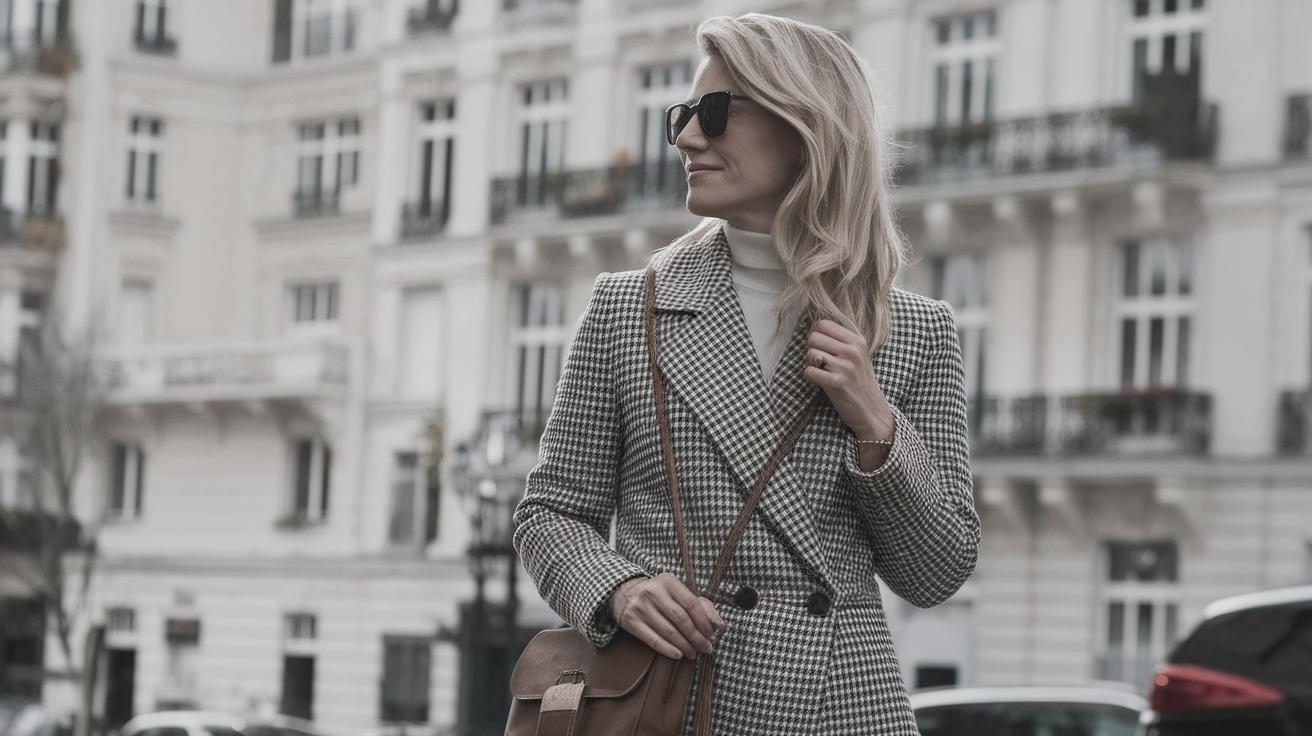
Best Practices for Shopping Secondhand Fashion
Shopping secondhand fashion has become more than just a trend; it’s a lifestyle choice that promotes sustainability, creativity, and savings. As consumers become more conscious of the environmental impact of fast fashion, many are turning to thrift stores, vintage shops, and online marketplaces to refresh their wardrobes. In this post, we’ll dive into the best practices for shopping secondhand fashion, offering tips for an enjoyable and rewarding experience. You’ll learn what to expect when thrifting in-store, gather some essential tips for secondhand shopping, and discover some of my personal tips tailored to the modern-day thrifter. We’ll also address some frequently asked questions and wrap up with a succinct summary to ensure you have all the information you need for your next secondhand shopping trip. Let’s dive into the world of sustainable fashion and savvy shopping!
Shopping Second Hand
Shopping secondhand is more than just a way to save money. It can be an adventure, unlocking potential new favorites or rare finds that you wouldn’t be able to discover in mainstream fashion stores. With increasing awareness of sustainability, shopping secondhand contributes significantly to minimizing our carbon footprint and reducing waste. It represents a conscious effort to choose fashion options that are more eco-friendly and ethical.
A key benefit is the incredible diversity available. Since these items come from different eras and places, there’s always an element of surprise. Whether you’re after high-end vintage pieces, casual wear, or even designer brands at a fraction of the original price, secondhand stores are treasure troves brimming with potential.
Learning How to Thrift In Store
When you begin thrifting in-store, the sheer volume of clothes might seem overwhelming. The trick is to approach the venture with an open mind and an adventurous spirit. Start by exploring different sections you might not usually browse through—you never know what might catch your eye.
Look for quality over quantity. Examine garments carefully for signs of wear or damage and be discerning with your choices. Also, remember to try things on whenever possible. Thrifted items often come from various brands with differing sizing standards, so it’s crucial to ensure a great fit.
Second Hand Shopping Tips
When shopping secondhand, timing can be everything. Many stores restock on certain days of the week, so finding out when they have new arrivals can give you access to the freshest selections. Patience is another significant factor—be prepared to spend some time sifting through racks and be open to multiple visits.
Don’t hesitate to mix modern pieces with your vintage finds. This approach not only elevates your personal style but also allows you to utilize the latest fashion trends while remaining sustainable. Additionally, negotiate wisely where appropriate; some thrift stores are open to lowering prices, especially for items that have been on display for an extended period.
My Best Thrifting Tips for Modern Times
1. Get Comfy
Dressing comfortably is paramount when thrifting. Since you may spend significant time standing and perusing through clothes, wearing casual, easy-to-remove clothing can make the process more pleasant and efficient, especially if you plan on trying items in-store.
2. Be Prepared to Leave
Not every trip will be a goldmine, and it’s important to be okay with leaving empty-handed if nothing catches your eye. This mindset prevents impulsive purchases of items that don’t quite fit your needs or preferences, thereby maintaining a curated wardrobe.
3. Know Thy Wardrobe
A comprehensive understanding of your existing wardrobe helps avoid buying duplicates or pieces that don’t complement what you already own. Keep a mental note—or even a phone memo—of the styles, colors, and items you need, so you can fill gaps effectively.
4. Know Thy Self
Understanding your personal style is key when thrifting. With a clear sense of what works for you, including colors, cuts, and fabrics, you can quickly sift through items that align with your taste and avoid regrettable purchases.
5. Have a Game Plan
Approach your thrifting trip with a strategy in mind. This could mean targeting specific types of clothing or accessories you’re seeking, setting a budget, or scheduling visits to multiple stores to maximize your chances of finding the best pieces.
6. Know Where to Shop
Not all thrift stores are created equal, and some may cater better to certain tastes or budgets. Research the best local spots, explore vintage stores, or experiment with online secondhand marketplaces that might offer a broader range and higher convenience.
FAQs
Do Thrift Stores Take Credit/Debit Cards?
Most thrift stores have adapted to modern payment methods and now accept credit and debit cards. However, it’s always wise to carry some cash just in case a smaller store or local market has different policies.
Is It Unethical to Shop at Thrift Stores If You Can Afford to Shop Elsewhere?
This is a common concern for many thrifters but buying secondhand, regardless of your budget, is generally seen as a sustainable choice. By purchasing thrifted items, you contribute to reducing waste and promoting recycling within the fashion industry, which benefits the environment significantly.
Related Posts
If you found these tips helpful, you might enjoy our other posts on sustainable fashion, wardrobe decluttering strategies, and integrating vintage styles into modern-day outfits. Each article is designed to enhance your fashion experience while promoting ecological responsibility.
Summary of Main Points
| Topic | Main Points |
|---|---|
| Shopping Second Hand | Benefits include environmental sustainability, cost saving, and unique style exploration. |
| Learning How to Thrift In Store | Emphasizes open-mindedness, quality checking, and trying on clothes for fit. |
| Second Hand Shopping Tips | Includes timing for fresh stock, mixing new trends with vintage, and negotiating prices. |
| My Best Thrifting Tips | Covers comfort, strategic planning, knowing your wardrobe/self, and finding the right stores. |
| FAQs | Answers common questions about payments and ethics regarding thrift shopping. |