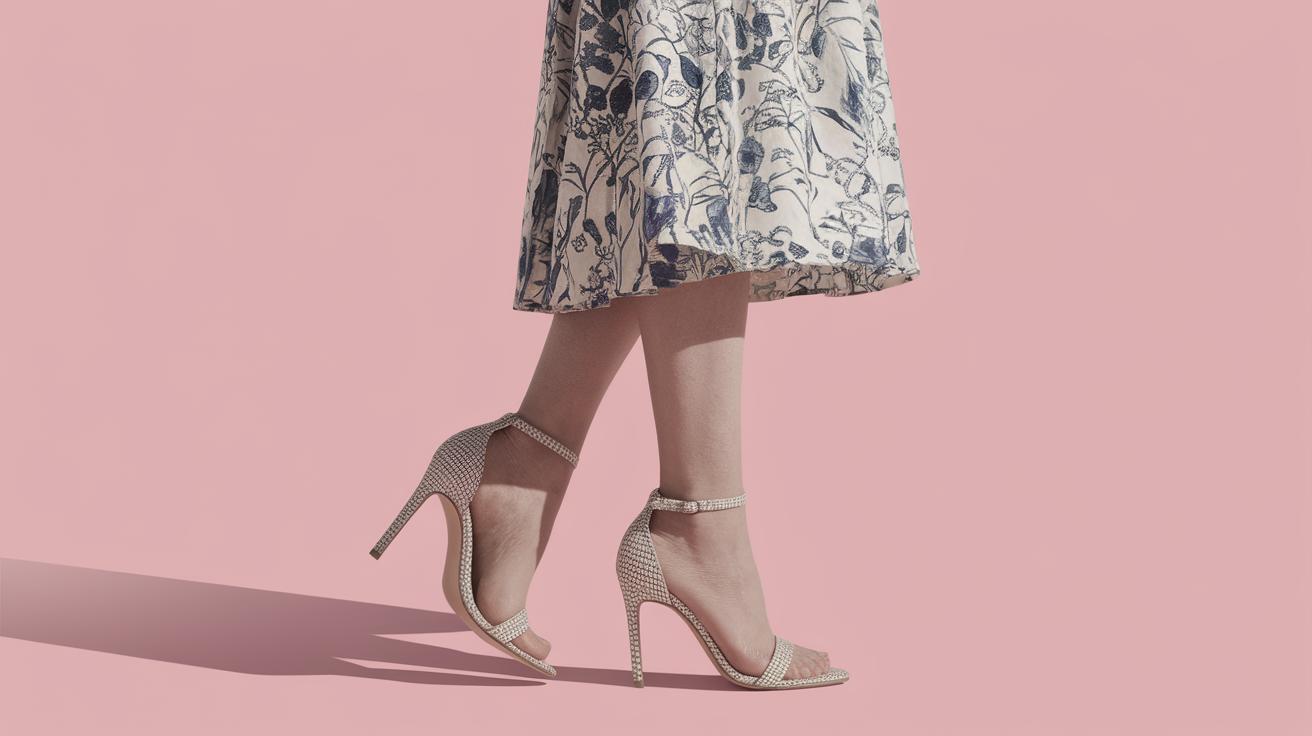
How to Wear High Heels Comfortably
High heels can make a bold fashion statement, but comfort shouldn’t be sacrificed for style. Wearing high heels comfortably is an art and a science, necessitating the right choices in both shoe design and foot care. From selecting high-quality footwear to applying practical tips like breaking in your heels and using cushioning inserts, ensuring comfort is achievable with a few thoughtful steps. This guide offers comprehensive advice on how to balance style and comfort through quality shoe selection, smart wearing techniques, and effective use of accessories. Let’s delve into the world of high heels and discover how to stride confidently without discomfort.
1. Buy Quality Shoes
Because there’s nothing chic about aching feet
Investing in quality shoes is crucial for comfort when wearing high heels. Premium materials and construction not only enhance durability but also provide the necessary support your feet need. High-quality heels often feature better arch support and more secure straps, reducing the likelihood of slipping or wobbling.
Additionally, high-end brands tend to focus on ergonomic designs that contour to the natural shape of your foot, distributing pressure more evenly. This can significantly minimize the common pain points associated with high heels, including sore balls of the feet and pinched toes. Therefore, consider quality as an investment in long-term comfort and foot health.
3. Try Shoes On at the End of the Day
Our feet tend to swell throughout the day, which is why it’s advisable to try on new shoes later in the day. This allows for a more realistic fit, ensuring that the shoes accommodate your feet comfortably during the time when they are at their largest. A shoe that fits snugly in the morning might feel tight and uncomfortable by evening.
When trying on shoes, ensure that there’s not only enough toe room but also that the heel doesn’t slip out as you walk. If possible, walk around the store to assess comfort levels and watch out for any areas that might rub or cause pain. This proactive approach can prevent future blisters or irritation.
4. Have a Good Head for Heights
Before committing to a pair of high heels, consider your comfort with various heel heights. Start with lower heels or wedges if you’re new to high heels, gradually working your way up as you become more accustomed. This gradual acclimation can help build strength and balance.
Understanding your personal balance and comfort thresholds can greatly impact your confidence in wearing high heels. Knowing your comfort zone in terms of heel height will guide your purchases, helping you avoid styles that may lead to discomfort or instability.
5. Select a Stylish Silhouette With Comfort Benefits
While stilettos have their allure, opting for styles that blend aesthetics with comfort can be more sustainable in the long run. Look for heels with thicker, more stable bases like block heels, which provide greater support and even weight distribution.
Also, consider the pitch of the shoe. A steep incline can increase pressure on the balls of your feet and toes. Choose a benign arch curve, reducing the intensity of the incline while maintaining the stylish silhouette you desire.
6. Plan An At-Home Heel Rehearsal
Before showcasing your new heels at an event, try wearing them around your house to better acclimate your feet. Posture adjustments and muscle acclimation can go a long way in boosting overall comfort.
This rehearsal period not only helps in breaking in your new pads but also aids in identifying any potential pressure points or areas of discomfort. Consider this strategy as a preventative step to minimize surprises on the day of your main outing.
7. Stretch Your Shoes
Stretching your shoes can help accommodate any pinching or stiffness you might feel initially. This can easily be done at home using shoe stretchers or by taking your shoes to a professional shoe repair shop.
Additionally, techniques such as using ice bags placed within the shoes and then freezing them can gently expand the material, providing a more personalized fit. This stretching process is particularly beneficial for tightly fitting heels that need a bit more give.
8. Keep Leather Conditioned
High-quality leather requires regular conditioning to maintain its suppleness and prevent cracking. Leather conditioner enhances the softness and pliability of the material, which can make your shoes more comfortable over time.
Regular maintenance can prolong the life of your shoes, keep them looking pristine, and ensure that they remain a comfortable part of your wardrobe. Conditioning also prevents the material from becoming rigid, which could contribute to foot discomfort.
9. Maintain Your Heels
Regularly check your heel tips and replace them before they wear down too much, as this can affect your balance and comfort. A worn heel can lead to instability and further discomfort.
Being proactive about repairs, such as restitching loose straps or resoling worn shoes, can prevent further damage and ensure they continue to offer support and comfort.
10. Rely On Heel-Counter Grips
Heel-counter grips are an excellent solution for preventing heel slippage and enhancing fit. These discreet pads stick to the back of your shoes, aiding in keeping your foot securely in place during wear.
They add extra padding to shoes with stiff backs, mitigating irritation or blisters around the heel. This small addition can make a significant difference in comfort and prevent unnecessary friction.
11. Add Traction Stickers
To avoid embarrassing slips and falls, it’s important to enhance the traction of your shoe soles. Adding self-adhesive traction stickers on the bottom of your heels can help reduce the risk of slipping on smooth surfaces.
This simple, cost-effective solution is crucial for high heels and stiletto wearers, offering an added layer of security in precarious conditions where traction can be compromised.
12. Apply Moleskin
Moleskin is another useful tool in your comfort toolkit, providing an extra layer of cushioning where needed. Available in patches or strips, moleskin can be applied to areas of your shoes that rub or cause irritation.
The soft fabric offers a barrier that reduces friction and helps prevent the occurrence of blisters. It is ideal for long events where you’ll be spending a lot of time on your feet, maintaining the comfort that might wan otherwise.
13. Wear Padded Silicone Inserts
Padded silicone inserts can work wonders by absorbing shock and relieving pressure on the balls of your feet. These gel-like pads provide comfort and cushioning inside the shoes without taking up much space.
Silicone inserts are especially beneficial for high heels with little to no padding originally. By adding your cushion, you can significantly reduce impact and safeguard your comfort.
14. Use Blister Prevention Spray
Blister prevention sprays create an invisible barrier on your skin, helping reduce friction between your feet and the shoes. It’s a quick, easy-to-use solution that forms a protective layer, allowing you to wear your heels in comfort for extended periods.
This spray is best applied to clean, dry feet before you head out in your high heels. As part of your foot care routine, it offers a proactive approach to maintaining comfort and warding off blisters before they develop.
15. Switch Up Your Footwear
Lastly, don’t wear high heels daily. Alternate them with flats or lower-heeled shoes to give your feet a rest. A variety of shoe styles can prevent repetitive stress and help maintain overall foot health.
By varying heel height and style day-to-day, you discourage pressure build-up in the same areas. Diversifying your footwear is a simple yet effective strategy to ensure a pain-free experience with high heels.
Next Steps
| Step | Action |
|---|---|
| 1. Buy Quality Shoes | Focus on high-quality materials for better support. |
| 3. Try Shoes On at the End of the Day | Ensures shoes fit comfortably at maximum foot swelling. |
| 4. Have a Good Head for Heights | Get acclimated to heel heights incrementally. |
| 5. Select a Stylish Silhouette With Comfort Benefits | Choose heels with thicker bases for better support. |
| 6. Plan An At-Home Heel Rehearsal | Wear heels at home to identify discomfort areas. |
| 7. Stretch Your Shoes | Use stretching techniques for a better fit. |
| 8. Keep Leather Conditioned | Maintain shoe suppleness to prevent discomfort. |
| 9. Maintain Your Heels | Check and repair shoe heels regularly. |
| 10. Rely On Heel-Counter Grips | Prevent slippage with heel pad grips for added security. |
| 11. Add Traction Stickers | Enhance sole traction for better stability. |
| 12. Apply Moleskin | Use moleskin in friction-prone areas for blister prevention. |
| 13. Wear Padded Silicone Inserts | Use inserts for cushioning high-pressure points. |
| 14. Use Blister Prevention Spray | Apply spray to minimize friction and prevent blisters. |
| 15. Switch Up Your Footwear | Alternate shoes regularly to maintain foot health. |